THE LOCAL OUTPOST | THE ARMORY
08/14/26
The National Firearms Act (NFA) just took the hardest hit in its 91-year history. On August 5, 2026, a federal court ruled in Silencer Shop Foundation v. ATF, building on the broader Jensen v. ATF litigation, that the ATF cannot enforce NFA registration requirements against Silencer Shop customers. The court issued a seven-day stay that expired at midnight on August 13, 2026 and for the first time since Franklin Roosevelt signed the NFA into law in 1934, the federal registration machinery for suppressors, short-barreled rifles, and short-barreled shotguns has been judicially halted.
By the end of this article, you will know exactly what changed on August 13, who is affected, including people outside Texas (The Coastal Empire), what has not changed, and what the next legal steps are for the case. This is a fast-moving situation, and the details matter.

Photo by Dan Galvani Sommavilla on Pexels
What Is the NFA and Why Does This Ruling Matter?
The National Firearms Act of 1934 was Congress’s response to the gangland violence of the Prohibition era, most famously the St. Valentine’s Day Massacre, when seven members of Chicago’s North Side Gang were murdered in a clash associated with organized crime. Lawmakers wanted to restrict access to the weapons favored by organized crime: machine guns, short-barreled rifles, short-barreled shotguns, suppressors, and “any other weapons.” However, congress did not have clear authority to ban these items outright.
The solution was the tax. Using its taxing power, Congress imposed a $200 transfer tax on each NFA firearm. In 1934, $200 was an enormous amount of money. That tax, which has never increased since 1934, was not really about raising revenue. It was a registration system. Every transfer required paperwork, fingerprints, photographs, and approval from the federal government. The tax stamp became the receipt for your name being entered into the National Firearms Registration and Transfer Record. The tax was intended to make possession and transfer of these weapons extremely difficult while creating a federal registration system, and that system remained in place for more than nine decades.
Two major events converged in 2026. First, Congress eliminated the $200 tax stamp fee effective January 2026 through “The Big Beautiful Bill.” Second, the August 5th federal court ruling barred the ATF from enforcing NFA registration against affected customers.
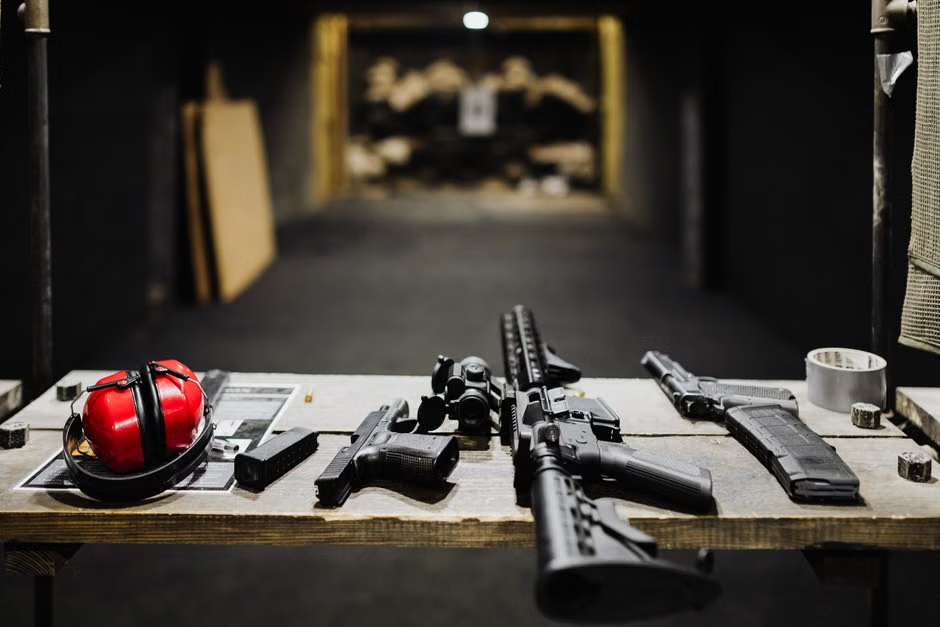
kaboompics.com on Pexals
The August 13, 2026 Deadline — What Actually Changed at Midnight
The court’s August 5th ruling included a seven-day stay, which expired on August 12, 2026. At midnight on August 13, the ATF’s ability to enforce NFA registration for suppressors, SBRs, and SBSs ended, under certain caveats, for particular individuals covered by the ruling.
In practical terms, this means no more Form 4 submissions, no more registration requirements, and no more transfer wait times for these specific NFA items. The days of waiting months for ATF approval to take home a suppressor or short-barreled rifle are over, at least that is the misconception. Combined with the January 2026 elimination of the $200 tax, the financial barrier was already gone, but the registration requirement is what the court addressed.
The reality is more nuanced than a clean victory. The NFA still exists. Machine guns remain regulated under the 1986 Firearm Owners’ Protection Act. Destructive devices remain on the registry. The ATF’s regulatory framework has not been formally dismantled. It has simply been enjoined from enforcement in this specific context.
This is an injunction, not a permanent legislative repeal. The ATF may seek emergency stays or appeals, so the situation remains fluid. Anyone celebrating should do so with the understanding that the legal ground could shift quickly.
There is an important distinction here:
A $0 tax is not the same thing as eliminating the registration requirement.
The traditional federal NFA process did not simply disappear when the tax became $0.
That distinction is at the heart of the current legal fight.
Who Is Affected — And What About People Outside Texas?
The Jensen v. ATF and Silencer Shop Foundation v. ATF cases originated in Texas federal courts. The immediate injunction applies to the plaintiffs and Silencer Shop customers. But the practical impact extends far beyond Texas, and the legal reasoning behind the ruling has national implications.
The court’s ruling restricts ATF enforcement of federal NFA registration requirements. However, state-level laws remain fully in effect. This is where people outside Texas need to pay close attention.
Suppressors remain illegal at the state level in California, Delaware, Hawaii, Illinois, Massachusetts, New Jersey, New York, Rhode Island, and Washington, D.C. If you live in one of these states, this ruling does not change your ability to possess a suppressor. State criminal law still applies, and federal injunctions do not override state statutes.
For SBRs and SBSs, the landscape is different. Unlike suppressors, short-barreled rifles and shotguns are legal in most states. But some states have their own registration requirements or restrictions that are separate from federal law. A handful of states impose their own permitting schemes, and a few restrict SBRs or SBSs entirely. Check your state’s firearms statutes before acting on the ruling.
The practical takeaway is straightforward. If you are in a state where suppressors, SBRs, or SBSs are legal, the federal registration requirement may no longer apply to you. But you must verify your state’s laws independently. Federal court rulings do not erase state criminal codes.
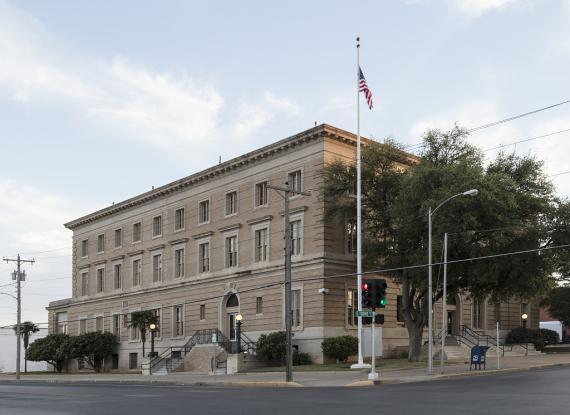
Photo: 25or6to4 / Wikimedia Commons, CC BY-SA 4.0
What Has NOT Changed — Critical Caveats
The August 13 deadline was significant, but it was not a repeal of the NFA. Several critical restrictions remain fully intact.
Machine guns are still banned for new transfers. The 1986 Firearm Owners’ Protection Act prohibited the transfer and possession of machine guns manufactured after May 19, 1986, with narrow exceptions for government agencies and pre-1986 registered items. The court’s ruling did not touch this.
Destructive devices remain NFA items and are still subject to registration and transfer requirements. The same applies to “any other weapons,” a catch-all category that includes certain disguised firearms and smoothbore pistols.
State-level suppressor bans remain. Nine states plus Washington, D.C. still prohibit suppressor possession outright. The federal ruling cannot override state criminal law.
The National Firearms Registration and Transfer Record still exists. Existing registrations have not been expunged, and the ATF has not dismantled the database.
The ATF itself remains intact and retains enforcement power over other NFA items and federal firearms laws. This is a targeted injunction, not a dissolution of the agency.
What Happens Next — The Road Ahead for Jensen v. ATF
The ATF and the Department of Justice can appeal the ruling. The government may seek an emergency stay to reinstate registration requirements while the appeal proceeds.
The Fifth Circuit factor is significant. The New Orleans-based court has been receptive to Second Amendment arguments in recent years. But the Supreme Court’s framework from Garland v. Cargill (2024) and other recent cases will shape the analysis. The Court’s current makeup and its recent Second Amendment jurisprudence make this a genuinely uncertain outcome.
If the Fifth Circuit upholds the ruling, the case could head to the Supreme Court. A final resolution, whether at the Fifth Circuit or the Supreme Court, could take 12 to 24 months or longer.
Congressional action is also possible. The “Big Beautiful Bill” already eliminated the tax stamp fee. Congress could theoretically pass new legislation to shore up the NFA or, conversely, to formally repeal NFA restrictions on suppressors and SBRs, neither outcome is guaranteed.
What Does This Mean for Georgia?
This is where things get particularly important for gun owners here in the Savannah, Pooler, and Coastal Empire area.
The cases originated in federal courts outside Georgia, and the immediate relief in the litigation is tied to the parties and circumstances addressed by the court.
That means a headline saying:
“ATF registration requirements have been blocked!”
should not automatically be interpreted as:
“Every Georgia resident can now walk into a gun store and take home a suppressor without a Form 4.”
That is not something customers should assume.
Federal court orders can have complicated scopes, and dealers also have their own federal compliance responsibilities.
For Georgia customers, the practical question is therefore:
What procedure is the dealer currently following for this specific transaction?
Conclusion — What to Watch Next
The August 13, 2026 deadline has passed, and the NFA enforcement landscape has fundamentally shifted for suppressors, SBRs, and SBSs. The immediate priority is monitoring the ATF’s appeal.
For gun owners around Savannah, Pooler, Chatham County, and the surrounding Coastal Empire, the biggest takeaway isn’t that the NFA suddenly disappeared.
It is that the rules surrounding certain NFA items are being challenged in a way that could eventually have major consequences.
If you’re considering a suppressor, SBR, or SBS, stay informed—but don’t assume the process has changed simply because you saw a headline announcing a court victory.
Ask your dealer what procedure they’re currently following.
Make sure you understand both federal and Georgia law.
And if your situation is complicated, consult a qualified firearms attorney.
The Local Outpost Pub. at YUGS Outpost will continue following the developments that matter to gun owners right here in the Coastal Empire.
This article is provided for general informational purposes and is not legal advice. Federal and state firearms laws can change, and individual circumstances may affect the legality of a particular transaction. Consult a qualified firearms attorney for advice about your specific situation.