Author name: YUGS Outpost

The Local Outpost Pub.

Jensen v. ATF: The 2026 Ruling That Could Change NFA Rules for Suppressors, SBRs, and SBSs

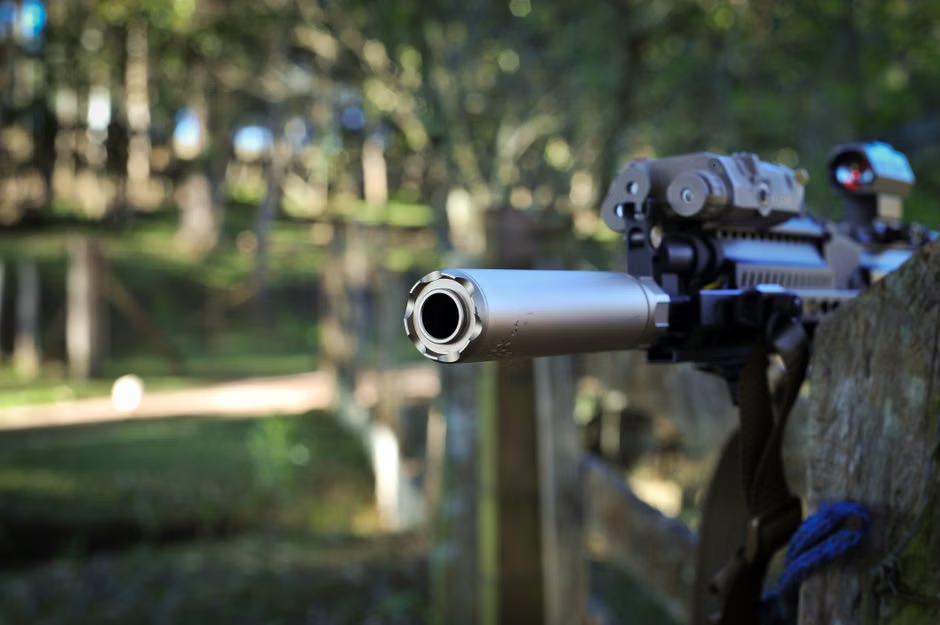
THE LOCAL OUTPOST | THE ARMORY 08/14/26 The National Firearms Act (NFA) just took the hardest hit in its 91-year history. On August 5, 2026, a federal court ruled in Silencer Shop Foundation v. ATF, building on the broader Jensen v. ATF litigation, that the ATF cannot enforce NFA registration requirements against Silencer Shop customers. The court issued a seven-day stay that expired at midnight on August 13, 2026 and for the first time since Franklin Roosevelt signed the NFA into law in 1934, the federal registration machinery for suppressors, short-barreled rifles, and short-barreled shotguns has been judicially halted. By the end of this article, you will know exactly what changed on August 13, who is affected, including people outside Texas (The Coastal Empire), what has not changed, and what the next legal steps are for the case. This is a fast-moving situation, and the details matter. Photo by Dan Galvani Sommavilla on Pexels What Is the NFA and Why Does This Ruling Matter? The National Firearms Act of 1934 was Congress’s response to the gangland violence of the Prohibition era, most famously the St. Valentine’s Day Massacre, when seven members of Chicago’s North Side Gang were murdered in a clash associated with organized crime. Lawmakers wanted to restrict access to the weapons favored by organized crime: machine guns, short-barreled rifles, short-barreled shotguns, suppressors, and “any other weapons.” However, congress did not have clear authority to ban these items outright. The solution was the tax. Using its taxing power, Congress imposed a $200 transfer tax on each NFA firearm. In 1934, $200 was an enormous amount of money. That tax, which has never increased since 1934, was not really about raising revenue. It was a registration system. Every transfer required paperwork, fingerprints, photographs, and approval from the federal government. The tax stamp became the receipt for your name being entered into the National Firearms Registration and Transfer Record. The tax was intended to make possession and transfer of these weapons extremely difficult while creating a federal registration system, and that system remained in place for more than nine decades. Two major events converged in 2026. First, Congress eliminated the $200 tax stamp fee effective January 2026 through “The Big Beautiful Bill.” Second, the August 5th federal court ruling barred the ATF from enforcing NFA registration against affected customers. kaboompics.com on Pexals The August 13, 2026 Deadline — What Actually Changed at Midnight The court’s August 5th ruling included a seven-day stay, which expired on August 12, 2026. At midnight on August 13, the ATF’s ability to enforce NFA registration for suppressors, SBRs, and SBSs ended, under certain caveats, for particular individuals covered by the ruling. In practical terms, this means no more Form 4 submissions, no more registration requirements, and no more transfer wait times for these specific NFA items. The days of waiting months for ATF approval to take home a suppressor or short-barreled rifle are over, at least that is the misconception. Combined with the January 2026 elimination of the $200 tax, the financial barrier was already gone, but the registration requirement is what the court addressed. The reality is more nuanced than a clean victory. The NFA still exists. Machine guns remain regulated under the 1986 Firearm Owners’ Protection Act. Destructive devices remain on the registry. The ATF’s regulatory framework has not been formally dismantled. It has simply been enjoined from enforcement in this specific context. This is an injunction, not a permanent legislative repeal. The ATF may seek emergency stays or appeals, so the situation remains fluid. Anyone celebrating should do so with the understanding that the legal ground could shift quickly. There is an important distinction here: A $0 tax is not the same thing as eliminating the registration requirement. The traditional federal NFA process did not simply disappear when the tax became $0. That distinction is at the heart of the current legal fight. Who Is Affected — And What About People Outside Texas? The Jensen v. ATF and Silencer Shop Foundation v. ATF cases originated in Texas federal courts. The immediate injunction applies to the plaintiffs and Silencer Shop customers. But the practical impact extends far beyond Texas, and the legal reasoning behind the ruling has national implications. The court’s ruling restricts ATF enforcement of federal NFA registration requirements. However, state-level laws remain fully in effect. This is where people outside Texas need to pay close attention. Suppressors remain illegal at the state level in California, Delaware, Hawaii, Illinois, Massachusetts, New Jersey, New York, Rhode Island, and Washington, D.C. If you live in one of these states, this ruling does not change your ability to possess a suppressor. State criminal law still applies, and federal injunctions do not override state statutes. For SBRs and SBSs, the landscape is different. Unlike suppressors, short-barreled rifles and shotguns are legal in most states. But some states have their own registration requirements or restrictions that are separate from federal law. A handful of states impose their own permitting schemes, and a few restrict SBRs or SBSs entirely. Check your state’s firearms statutes before acting on the ruling. The practical takeaway is straightforward. If you are in a state where suppressors, SBRs, or SBSs are legal, the federal registration requirement may no longer apply to you. But you must verify your state’s laws independently. Federal court rulings do not erase state criminal codes. Photo: 25or6to4 / Wikimedia Commons, CC BY-SA 4.0 What Has NOT Changed — Critical Caveats The August 13 deadline was significant, but it was not a repeal of the NFA. Several critical restrictions remain fully intact. Machine guns are still banned for new transfers. The 1986 Firearm Owners’ Protection Act prohibited the transfer and possession of machine guns manufactured after May 19, 1986, with narrow exceptions for government agencies and pre-1986 registered items. The court’s ruling did not touch this. Destructive devices remain NFA items and are still subject to registration and transfer requirements. The same applies to “any other weapons,” a catch-all category that includes certain disguised firearms and smoothbore

Cigar Education (Gunsmoke Blog)

The Complete Guide to Cigars: Types, Tasting, and How to Choose Your First Smoke

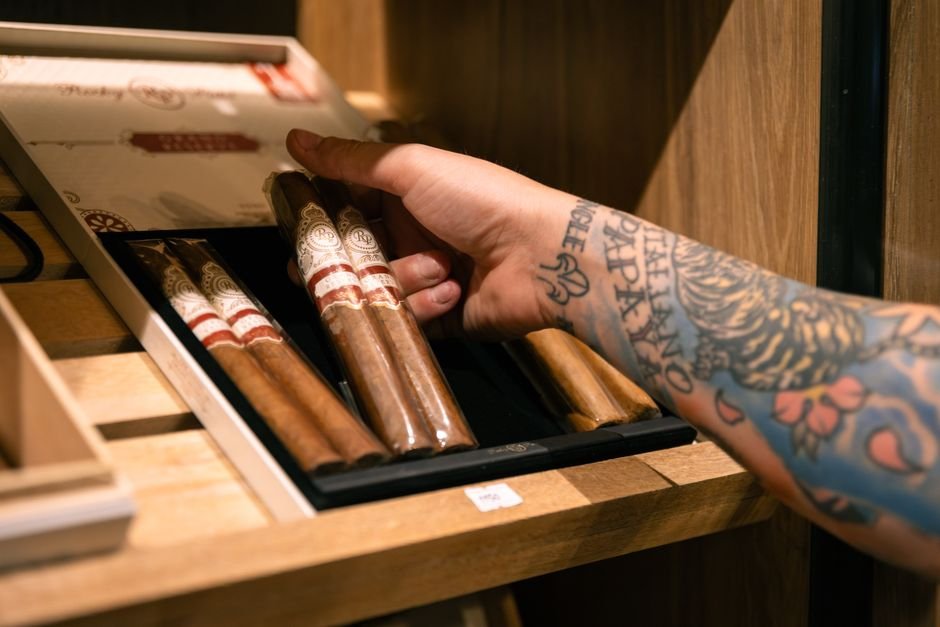
Whether you are buying your first cigar or looking to refine your palate, understanding what makes a great cigar starts with the basics. The world of cigars can feel overwhelming. Walk into any humidor and you will face walls of brands, sizes, and wrappers that range from pale tan to nearly black. Add the pressure of cutting and lighting one correctly in front of other people, and a lot of newcomers freeze up before they even start. This guide strips away the pretense. You will learn what a cigar actually is, how it differs from a cigarette, what to buy on your first trip to a shop, and how to store, cut, and light one without looking like a novice. No gatekeeping, no judgment, just the information you need to enjoy the experience on your own terms. What Is a Cigar? Understanding the Anatomy and Craft A cigar is a rolled bundle of fermented and aged tobacco leaves, designed to be lit at one end and drawn through the other. Unlike a cigarette, which uses processed and shredded tobacco wrapped in paper, a cigar is built from whole leaves that have been cured and fermented over months or years. This process transforms the raw leaf into something with depth, aroma, and a burn that can last anywhere from thirty minutes to over two hours. Every cigar has three structural components. The filler sits at the core and makes up most of the body. Long-filler cigars use whole tobacco leaves running the full length of the cigar, which produces an even burn and consistent flavor. Short-filler cigars use chopped pieces of leaf, often found in machine-made or budget options. The binder is a tougher leaf that holds the filler together and provides structural integrity. The wrapper, the outermost leaf, is the most important piece of the puzzle. It accounts for roughly seventy percent of what you taste and nearly all of what you see. A Connecticut Shade wrapper, grown under cheesecloth tents in Ecuador or the Connecticut River Valley, delivers a mild, creamy, and slightly nutty profile. A Maduro wrapper, fermented longer and darker, brings sweetness, earth, and a fuller body. Cigars are aged and fermented differently than cigarette tobacco, which reduces acidity and creates a smoother, cooler smoke. The process also develops the complex flavors that enthusiasts chase: cedar, leather, cocoa, black pepper, coffee, and dried fruit, to name a few. Key terms worth knowing include vitola, which refers to the size and shape of the cigar, ring gauge, the diameter measured in 64ths of an inch, and the foot, which is the end you light. A note on health belongs here, not buried at the end. Cigar smoking carries serious health risks. The CDC and other health authorities link regular cigar use to cancers of the mouth, throat, esophagus, and lungs, as well as cardiovascular and periodontal disease. This guide exists for adults who have made an informed choice to smoke and want to do so with knowledge and respect for the craft. The Beginner’s Guide to Buying Your First Cigar Walking into a humidor for the first time can feel like walking into a wine shop with no knowledge of grapes. The key is to start mild and work your way up. A full-bodied cigar with a dark Maduro wrapper will overwhelm a new palate and might leave you lightheaded or nauseous before you reach the halfway point. Start with a Connecticut Shade wrapper. These cigars are light in color, mild in body, and carry notes of cream, cedar, and toasted nuts. They are forgiving and smooth. Specific recommendations include the Macanudo Cafe, Ashton Classic, and Romeo y Julieta 1875. These are widely available, consistently constructed, and gentle enough for a first smoke. If you have been asking what the smoothest cigar to smoke is, the answer is almost always a Connecticut Shade wrapper paired with Dominican filler. Price is the next question most beginners ask. Is a $20 cigar expensive? The answer depends on what you are comparing it to, but here is a practical breakdown. Budget cigars in the $3 to $7 range are often machine-made or use short-filler tobacco. They can be fine for practice, but they burn hotter and lack the nuance of hand-rolled options. Mid-range cigars between $8 and $15 represent the sweet spot for most smokers. These are long-filler, hand-rolled cigars with quality construction and balanced flavor. You can find excellent smokes in this bracket from brands like Oliva, Arturo Fuente, and Perdomo. Premium cigars at $16 to $30 and above feature rare wrappers, extended aging, and complex flavor profiles. A $20 cigar sits at the entry point of premium territory. It is not outrageous, but it is more than a beginner needs to spend to have a great experience. Where you buy matters as much as what you buy. Gas stations and convenience stores rarely maintain proper humidity, and their cigars often sit on shelves for months drying out. A dry cigar burns hot, tastes harsh, and cracks at the wrapper. Buy from a reputable online retailer that stores inventory in a climate-controlled humidor, or visit a local brick-and-mortar shop where you can inspect the cigars yourself. Look for a slight sheen on the wrapper and a gentle give when you squeeze the foot. It should feel springy, not brittle or spongy. Finally, resist the urge to buy a full box of twenty cigars on your first outing. Sampler packs of five to ten sticks let you try different wrappers, brands, and strengths without committing to something you might not enjoy. Most online retailers offer curated beginner samplers that take the guesswork out of the equation. How to Cut, Light, and Smoke a Cigar (Proper Etiquette) Cutting a cigar correctly is the first skill to master. The goal is to remove a small portion of the cap, the rounded piece of wrapper leaf applied to the head of the cigar, without cutting into the shoulder where the cap meets the

Cigar Education (Gunsmoke Blog)

The 7 Best Beginner Cigars for 2026: A No-Nonsense Starter Guide

Finding the best beginner cigars can feel overwhelming, but it doesn’t have to be. Walk into any cigar shop and you will face a wall of hundreds of options, each with a different price tag, wrapper color, and country of origin. The wrong choice can leave you dizzy, nauseous, and wondering why anyone enjoys this hobby at all. This guide exists to prevent exactly that. We have narrowed the field to seven specific, proven cigars that are gentle on the palate, forgiving for a first-timer, and widely available. Beyond the list, we cover the practical skills most guides ignore: how to cut, light, and smoke your cigar without getting sick, and how to store whatever you buy without spending a fortune on equipment. If you follow this guide, your first cigar experience will be exactly what it should be: relaxing, flavorful, and memorable for the right reasons. Why Most “Beginner Cigars” Ruin the Experience (And How to Avoid It) The biggest mistake new smokers make is confusing body with strength. Body refers to the texture and weight of the smoke in your mouth. Think of it like milk: light-bodied feels like skim milk, full-bodied feels like heavy cream. Strength refers to nicotine content and the physiological impact it has on you. A cigar can be full-bodied but mild in strength, or light-bodied but sneakily strong. When a beginner grabs a dark, oily cigar because it looks impressive, they are often signing up for a nicotine freight train they did not expect. This is why the Connecticut Shade wrapper is the gold standard for beginner cigars. These wrappers are grown under cheesecloth tents that filter sunlight, producing a thin, silky leaf with a naturally creamy and nutty flavor profile. They burn cool and deliver low nicotine. Five of our seven picks feature this wrapper, and for good reason. You should also understand the difference between infused and naturally sweet. Some cigars are artificially flavored with vanilla, cherry, or coffee extracts. These can smell appealing but often smoke hot and harsh, overwhelming a new palate. The cigars on this list offer natural sweetness from the tobacco itself: notes of honey, cream, and cedar that come from proper fermentation and aging. Finally, set your price expectations. You do not need to spend twenty dollars on a single stick. The sweet spot for a quality beginner cigar in 2026 is six to thirteen dollars per stick. Anything cheaper risks poor construction and a bitter smoke. Anything pricier is wasted on a palate that has not yet learned to detect subtle complexity. The 7 Best Beginner Cigars You Can Buy Right Now 1. Arturo Fuente Hemingway Short Story (The Perfect 30-Minute Smoke) The Hemingway Short Story is the most recommended cigar on Reddit for a reason. Its short, thick shape is ideal for a new smoker who does not want to commit to an hour or more. The construction is legendary: it burns evenly, draws effortlessly, and requires zero touch-ups. The flavor profile leans toward cedar, earth, and a light creaminess. It is not sweet in the candy sense, but it is impossibly smooth from first puff to last. At roughly eight to ten dollars, this is the safest first cigar you can buy. If you only try one cigar from this list, make it this one. 2. Ashton Classic (The Gold Standard for Mild) Ranked number one by multiple cigar publications, the Ashton Classic is the quintessential Connecticut Shade experience. It is the definition of mild, but do not mistake mild for boring. The flavor is a clean, elegant combination of cream, toast, and a whisper of almond. There is zero pepper, zero harshness, and zero bitterness. At ten to thirteen dollars, it sits at the higher end of our range, but it is the benchmark against which all other mild cigars are measured. If you want to understand what experienced smokers mean when they say a cigar is smooth, light up an Ashton Classic. 3. Macanudo Cafe (The Sweet Spot for New Palates) The Macanudo Cafe is the most widely available beginner cigar in the United States. You can find it in nearly every humidor, from dedicated cigar lounges to well-stocked convenience stores. It carries a slight natural sweetness that new smokers gravitate toward, with notes of creamy coffee, vanilla, and mild cedar. It is also remarkably forgiving. If you puff a little too fast or let it sit too long between draws, the Macanudo Cafe does not punish you with bitterness the way more temperamental cigars will. At seven to nine dollars, it is an accessible entry point that delivers a consistently pleasant experience. 4. Romeo y Julieta 1875 (The Aging Room Value) The Romeo y Julieta 1875 is a Dominican blend that offers slightly more complexity than the Ashton or Macanudo without crossing into medium-strength territory. The flavor profile features cedar, toasted nuts, and a touch of white pepper that is so mild it registers more as warmth than spice. This is the cigar for the beginner who has smoked two or three mild sticks and wants to explore something with a bit more character. At seven to nine dollars, it delivers a premium experience at a price that feels like a steal. It is the best budget option on this list that still carries a prestigious name. 5. Oliva Connecticut Reserve (The Modern Classic) Oliva has built a reputation on obsessive quality control, and the Connecticut Reserve is a beneficiary of that commitment. The construction is exceptionally consistent: you are unlikely to encounter a plugged cigar, a tight draw, or an uneven burn. The flavor profile is approachable and satisfying, with cream, wood, and a subtle honey sweetness that lingers on the finish. At six to eight dollars, this is the best daily driver for a beginner who wants to stock up. Buy a five-pack, keep them in proper storage, and you will have a reliable, enjoyable smoke waiting for you whenever the mood strikes. 6. La Aroma de

Age Restriction

You must Be 21+ to enter YUGS Outpost

I Am
I Am Not
Scroll to Top