THE LOCAL OUTPOST | THE HOMESTEAD
If you grow tomatoes, peppers, or eggplant on your homestead, you have likely encountered a large green caterpillar with a strange horn on its rear end. That is the tobacco hornworm, and it can strip a healthy plant of its leaves in a matter of days. This guide will help you identify tobacco hornworms at every life stage, understand what they eat and where they live in the United States, and apply practical organic control methods that fit the self-sufficient values of a working homestead. You will also learn how to tell the tobacco hornworm apart from its close relative, the tomato hornworm, so you know exactly what you are dealing with when you find one in the garden.
What Are Tobacco Hornworms?
The tobacco hornworm, scientifically named Manduca sexta, is a large caterpillar species native to the United States. It gets its common name from its strong preference for tobacco plants, but homesteaders know it better as a serious pest of tomatoes and other garden crops. The insect goes through a complete life cycle with four distinct stages: egg, larva, pupa, and adult moth.
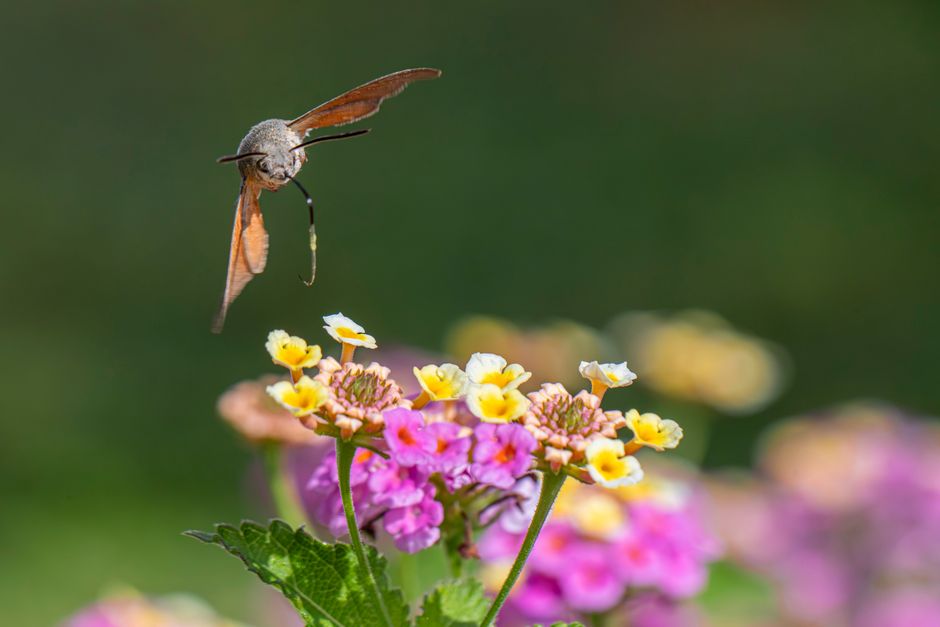
The adult form is the Carolina sphinx moth, sometimes called the tobacco hawk moth. This heavy-bodied moth has a wingspan of 4 to 5 inches and flies quickly, often hovering over flowers at dusk in a manner that makes people mistake it for a hummingbird. While the adult moth is a beneficial pollinator, the caterpillar stage is the destructive one. In the final weeks before pupation, a single hornworm can defoliate an entire tomato plant with startling speed.
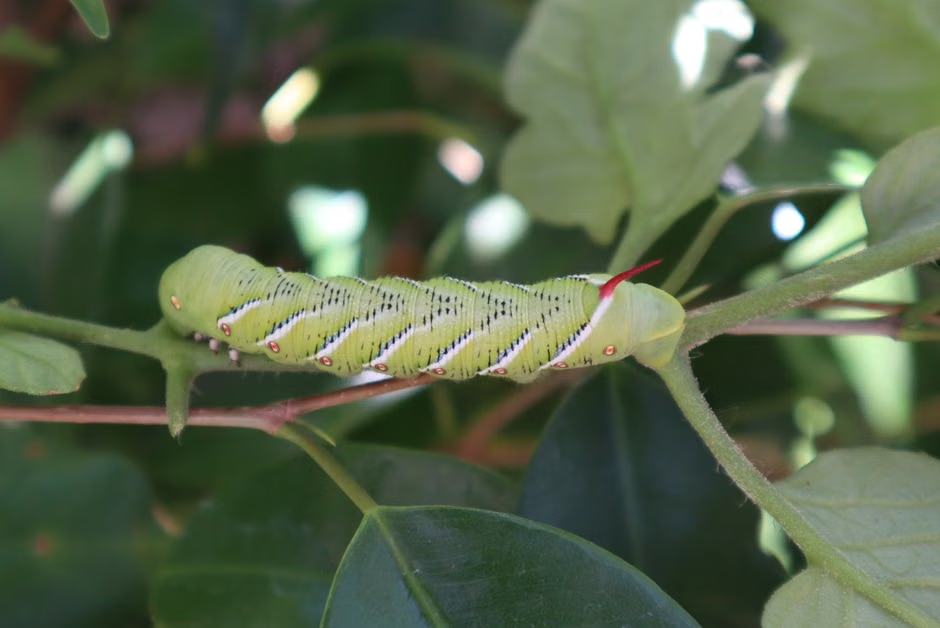
It is easy to confuse tobacco hornworms with tomato hornworms because both feed on similar plants and look alike at a glance. The tobacco hornworm has seven diagonal white stripes along its sides and a red horn at the rear. The tomato hornworm has eight V-shaped markings and a black horn. Both are large, green, and capable of causing significant damage, but knowing the difference helps you identify the pest correctly and understand its habits.
What Do Tobacco Hornworms Eat?
Tobacco hornworms are specialist feeders on plants in the nightshade family, known botanically as Solanaceae. Their primary host plants are tobacco and tomato, but they will also feed readily on peppers, eggplant, potatoes, and other solanaceous crops. On a homestead where these plants are often grown close together, hornworm damage can move quickly from one crop to the next within a single season.
The caterpillar’s appetite is remarkable. During its final instar, or growth stage, a single tobacco hornworm can consume an entire tomato plant’s foliage in just a few days. They feed continuously, chewing through leaves, stems, and occasionally green fruit. The damage often appears first at the top of the plant, where tender new growth is most appealing.

When preferred host plants are scarce or populations are high, tobacco hornworms have been recorded feeding on other garden plants outside the nightshade family. However, they strongly prefer Solanaceae and will rarely become a major problem on unrelated crops. Adult moths feed on nectar from flowering plants such as jasmine, honeysuckle, and petunias, which makes them incidental pollinators during their brief adult life.
For homesteaders, the practical takeaway is this: if you grow tomatoes, peppers, or eggplant, you are providing an all-you-can-eat buffet for tobacco hornworms. Regular scouting of these crops is not optional. It is the single most effective way to catch infestations before they cause serious damage.
Where Are Tobacco Hornworms Found in the United States?
Tobacco hornworms are found throughout the continental United States, but their populations are highest in the Southeast, Gulf Coast, and Mid-Atlantic regions where tobacco and tomato cultivation has historically been concentrated. Homesteaders in Virginia, North Carolina, South Carolina, Georgia, Florida, Tennessee, and Kentucky should consider tobacco hornworms an expected garden pest and scout proactively every growing season.
The seasonal pattern follows a predictable rhythm. Adult moths emerge from overwintering pupae in late spring and lay eggs on host plants. Caterpillars are active from June through September in most regions. In warm southern climates, two to three generations can occur in a single year. In northern states, the insect typically completes only one or two generations before cold weather arrives.
Overwintering is an important detail for homesteaders. The pupae burrow into the soil and enter a state of diapause, surviving winter underground and emerging as moths the following spring. This means that if you had hornworm damage this year, you are likely to see it again next year unless you take steps to disrupt the cycle. Tilling soil in fall or early spring can expose and destroy many overwintering pupae.
Climate change is gradually expanding the northern range of tobacco hornworms. Homesteaders in New England and the Upper Midwest, regions that previously experienced low pressure from this pest, should remain vigilant and learn to identify the caterpillar before it becomes established in their gardens.
How to Identify Tobacco Hornworms in Your Garden
Visual Identification of Caterpillars
Tobacco hornworm caterpillars grow up to 4 inches long and are pale green with seven diagonal white stripes along each side. The most distinctive feature is the curved horn at the rear, which is red in tobacco hornworms. The horn looks intimidating but is completely harmless. Caterpillars blend remarkably well with tomato foliage, so you are more likely to notice their damage or droppings before you see the insect itself.
Look for caterpillars on the undersides of leaves, along stems, and near leaf axils where leaves meet the main stalk. Dark green or black frass, which is caterpillar droppings, often accumulates on leaves and soil beneath infested plants. If you see pellet-like droppings, look directly above them and you will usually find the caterpillar.
The damage signature is distinctive. Defoliation typically starts at the top of the plant, leaving stripped stems and missing leaves. Large, pellet-like droppings on the ground beneath the plant are another clear sign. A heavily infested tomato plant can lose most of its foliage in less than a week.
Visual Identification of Adult Moths
The Carolina sphinx moth has gray-brown forewings with zigzag patterns and six orange-yellow spots along the sides of its abdomen. Its wingspan ranges from 4 to 5 inches, making it one of the larger moths you will see on the homestead. The moths are active at dusk and dawn, hovering at flowers to feed on nectar. Their size and flight pattern often lead people to mistake them for hummingbirds.
Seeing adult moths in your garden is not necessarily a cause for alarm, since they are beneficial pollinators. However, their presence in late spring means egg-laying is underway, and you should begin scouting for caterpillars within a week or two.
Eggs and Pupae
Tobacco hornworm eggs are small, pale green, and spherical, laid singly on the undersides of leaves. They are difficult to spot without close inspection, which is why regular leaf checks are important. Pupae are brown, elongated capsules about 2 inches long, found in the soil at the base of host plants. You may uncover them during fall or spring soil cultivation. Destroying pupae when you find them is an effective way to reduce next season’s population.
Organic Control Strategies for the Homestead
Prevention and Monitoring
Consistent monitoring is the foundation of hornworm control on the homestead. Inspect your tomato, pepper, and eggplant plants weekly from late spring through early fall, paying special attention to the undersides of leaves. Early detection allows you to remove caterpillars before they reach their most destructive final growth stage.
Row covers can prevent adult moths from laying eggs on young plants during the early season. Remove the covers when plants begin flowering so pollinators can access the blooms. Crop rotation also helps disrupt the hornworm life cycle. Avoid planting nightshades in the same soil for consecutive years, as this reduces the likelihood that overwintering pupae will emerge directly beneath a new host plant.
Physical Removal
For small homestead gardens, handpicking is the most effective and immediate control method. Check plants in the early morning or evening, when caterpillars are easier to spot. Drop any hornworms you find into a bucket of soapy water, or crush them if you prefer. A flashlight used at dusk can reveal caterpillars that become more active in cooler evening hours.
Fall and early spring tillage exposes overwintering pupae to predators and freezing temperatures. This simple practice can significantly reduce the number of moths that emerge in spring. If you keep chickens, let them scratch through garden beds after harvest. They will happily eat exposed pupae and other soil-dwelling pests.
Biological Controls
Tobacco hornworms have natural enemies that do much of the control work for you. Parasitic wasps, especially Cotesia congregata, lay eggs inside hornworm caterpillars. The wasp larvae feed internally and eventually emerge to spin white cocoons on the caterpillar’s back. These cocoons look like grains of white rice. If you find a hornworm covered in white cocoons, leave it alone. The wasps have already doomed the caterpillar, and allowing them to complete their life cycle means more wasps to control future hornworm populations.
You can attract beneficial insects by planting diverse flowering species around your garden. Dill, fennel, yarrow, and sweet alyssum provide nectar and pollen that support parasitic wasp populations. This approach aligns perfectly with homesteading values, since it builds a self-regulating garden ecosystem rather than relying on purchased inputs.
Bacillus thuringiensis, commonly called Bt, is a biological insecticide that targets caterpillars specifically. It is safe for humans, pets, and pollinators but lethal to hornworms when they ingest treated leaves. Apply Bt in the evening and follow label instructions carefully. It is most effective on young caterpillars, so use it at the first sign of damage.
When Chemical Control Is Necessary
Most homesteaders can manage tobacco hornworms without synthetic chemicals. Handpicking, tillage, and biological controls are usually sufficient for small to medium gardens. If populations become overwhelming, spinosad or neem oil can be used as a last resort. Apply these products in the evening to minimize pollinator exposure, and always observe pre-harvest intervals for edible crops. Remember that broad-spectrum insecticides can harm beneficial insects, so reserve them for situations where other methods have failed.
Frequently Asked Questions About Tobacco Hornworms
Are tobacco hornworms harmful to humans or pets? No. They do not bite or sting, and the horn is purely cosmetic. You can handle them without worry.
Will tobacco hornworms kill my tomato plants? Severe infestations can defoliate plants completely, reducing yield and potentially killing young plants. Mature plants often recover but produce less fruit.
Do tobacco hornworms turn into butterflies? No. They become Carolina sphinx moths, which are important nighttime pollinators.
Are hornworms good for anything? Yes. They serve as a food source for birds, parasitic wasps, and other predators. Some homesteaders raise them as feeder insects for reptiles and poultry.
Can I compost hornworms? Yes, dead caterpillars compost fine. Live ones may pupate in the compost pile, so crush or freeze them before adding them to the pile.
Conclusion: Protecting Your Homestead Garden
Tobacco hornworms are a predictable pest for anyone growing nightshade crops, but they do not have to win. By learning to identify the caterpillar, its eggs, and its adult moth, you can catch infestations early and act before serious damage occurs. Regular scouting, handpicking, and support for natural predators are the homesteader’s best tools. These methods are simple, effective, and aligned with a self-sufficient approach to growing food. Bookmark this guide, share it with fellow homesteaders, and return to it each growing season as a practical reference for keeping your garden healthy and productive.